How the guides are researched
Hi, I’m Chris Clayton, founder and editorial author of Beaches of Barbados. I want every guide on this site to make it clear what comes from personal experience, what has been checked through current research, and what could change by the time you arrive.
I’ve spent time in Barbados, explored its coastline and enjoyed the island on land and on the water. That personal experience is part of the reason this site exists. But I have not personally visited every beach currently covered here, and I do not think it would be useful or honest to imply that I have.
Instead, the aim is simple: use first-hand experience where I genuinely have it, combine it with current and reliable research, and be open about the basis of each guide.
What personal experience means on this site
When I have personally visited a beach, area or attraction, that experience can inform the guide: how the journey felt, what the setting was like, what stood out once there and which practical details mattered more than they appeared to on a map.
Personal experience is valuable, but it also has a date. A visit from several years ago cannot prove that a restaurant is still open today, that parking works in exactly the same way or that the shoreline has not changed. That is why personal experience is combined with newer information wherever the subject can change.
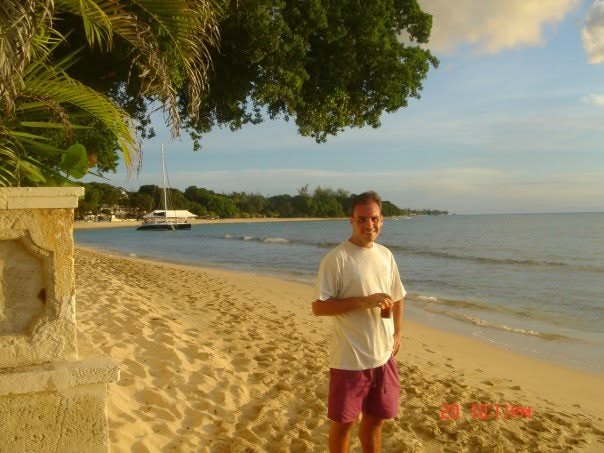
The same principle applies to my own photographs. They show that I have been there and help tell the story behind the site, but an older photograph is not used as evidence of today’s sea conditions, beach width or facilities.
How I research a Barbados beach
The process starts with the questions somebody actually needs answered before deciding whether a beach suits their day. A beautiful photograph is useful, but it tells you very little about parking, currents, toilets, shade or whether children will enjoy the water.
1. Location and public access
I check where the beach actually is, how people reach it, whether an official public access is recorded and whether older descriptions of parking or access still appear reliable.
2. Swimming and sea character
I compare the normal character of the coast with beach-specific guidance. Calm west-coast water, Atlantic surf, reef, shore break and local currents are treated differently rather than reducing every beach to “good for swimming”.
3. Facilities
Toilets, lifeguards, parking, food, chair rental, changing rooms and watersports are checked separately. Where a facility belongs to a hotel or private operator, I try not to present it as a guaranteed public amenity.
4. What makes the beach distinctive
A guide should explain why you would choose this beach instead of the next one. That may be snorkelling, shade, surf, fishing-village character, family practicality, walking or simply the feeling of space.
5. Nearby alternatives
Sometimes the most useful advice is to choose another beach. Guides compare nearby options so a visitor who needs calmer water, stronger facilities or better snorkelling can change plans quickly.
6. What may have changed
Commercial businesses, access arrangements, sargassum, beach width and facilities can change. Where information is time-sensitive, I use current sources and cautious wording rather than treating it as permanent.
The sources I use
No single source knows everything about every Barbados beach. I normally compare several kinds of information and look for agreement between them.
- Barbados government and public-agency information
- Official Barbados tourism information
- National Conservation Commission beach-access information
- Barbados Fisheries Division information where relevant
- Current maps and transport information
- Marine, weather and safety guidance
- Current websites for beach businesses and operators
- Established Barbados destination sources
- Recent visitor reports and discussion
- Local residents, operators and people with first-hand knowledge
An official source is usually stronger for something such as a named public access or government-managed facility. A recent visitor report may be more useful for spotting that a shower is broken, a path is difficult to find or sargassum has recently affected the shoreline. The job is to understand what each source can genuinely tell us.
How reviews, forums and social media are used
Recent reviews, forums and social-media discussion can be extremely useful because they reveal recurring questions and changes that formal destination pages may not mention.
I use them as signals to investigate, not as unquestioned facts. One person saying that a beach was dangerous does not make the beach permanently dangerous. Equally, one visitor saying the sea was perfectly calm does not guarantee somebody else will find the same conditions next week.
Repeated reports can be valuable. If several recent visitors independently mention a closed facility, difficult access or a changed business, that gives me something specific to check against other information.
Local knowledge and expert input
People who live and work in Barbados often know things that cannot be understood properly from a desk: where an entrance actually is, which part of a bay locals use for swimming, how a fishing harbour functions or whether an old facility description is now out of date.
Where I can, I use local knowledge to strengthen a guide. That can include residents, tourism businesses, watersports operators, people working around the coast and other contributors with direct experience.
Local input is still evaluated rather than copied unquestioningly. A commercial operator naturally knows their own business well, but that does not mean they decide how their beach is ranked or compared with competitors.
What the verification labels mean
Beach records on Beaches of Barbados can carry one of three verification labels. They describe the basis of the record; they are not ratings and they are never a guarantee of current sea safety.
The guide has been built or refreshed using current sources, but I am not presenting the beach as personally verified on the island.
One or more important details have been recently confirmed by a local contributor or another reliable person with current first-hand knowledge.
I, or a named editorial contributor, have personally visited the location and that first-hand experience forms part of the guide.
What I won’t pretend to know
A travel website becomes less useful when it turns normal uncertainty into confident promises. There are some things I deliberately avoid presenting as guaranteed.
I will not tell you that the sea will definitely be calm tomorrow because it was calm when somebody visited. I will not promise a turtle sighting because turtles are regularly seen in an area. I will not describe a restaurant, toilet or rental hut as permanently available when its operation can change. And I will not imply personal experience of a beach that I do not have.
Where the answer genuinely depends on conditions when you arrive, the guide should say so.
Water safety always outranks a beach description
The guides describe the normal character of a beach, not the exact conditions you will find at a particular hour. Wind, swell, tides, currents, weather and local activity can all change the water.
If a beach guide says a location is normally calm but the sea in front of you looks uncomfortable, trust what you can see. Pay attention to lifeguards, warning flags, local advice and official safety information. Do not enter water simply because a webpage says a beach is suitable for swimming.
Our Barbados beach safety guide explains this in more detail.
Commercial independence
Editorial recommendations are based on what I believe is useful for the visitor, not on payment for a more favourable description.
Beaches of Barbados may use commercial partnerships, advertising or affiliate relationships as the site develops. Where a relationship could reasonably matter to a visitor, it should be made clear. A business can pay for advertising or a commercial service; it cannot buy a stronger independent recommendation or have an inconvenient fact removed simply because it dislikes it.
If I have a material relationship that could affect how a reader interprets a recommendation, the aim is to disclose it clearly.
Corrections and updates
Barbados changes. Beaches move, businesses close, facilities are upgraded and public access arrangements can improve. I expect the site to evolve with that.
Useful corrections are welcomed, particularly when they include the beach name, what has changed, when it was observed and supporting detail or a photograph where appropriate. A correction is checked before being incorporated rather than automatically published.
The aim is not to defend old wording. It is to make the guide more accurate for the next person planning a beach day.
I want the site to feel personal without pretending that one person can know everything about an island’s coastline. The standard I’m aiming for is simple: say what I know, show how I know it, and be clear when something needs checking on the day.