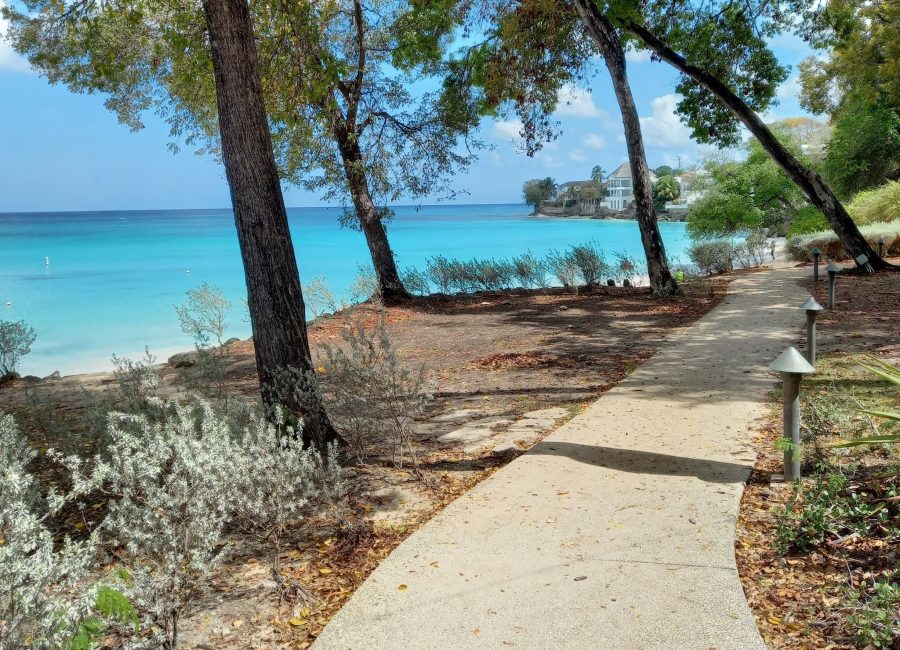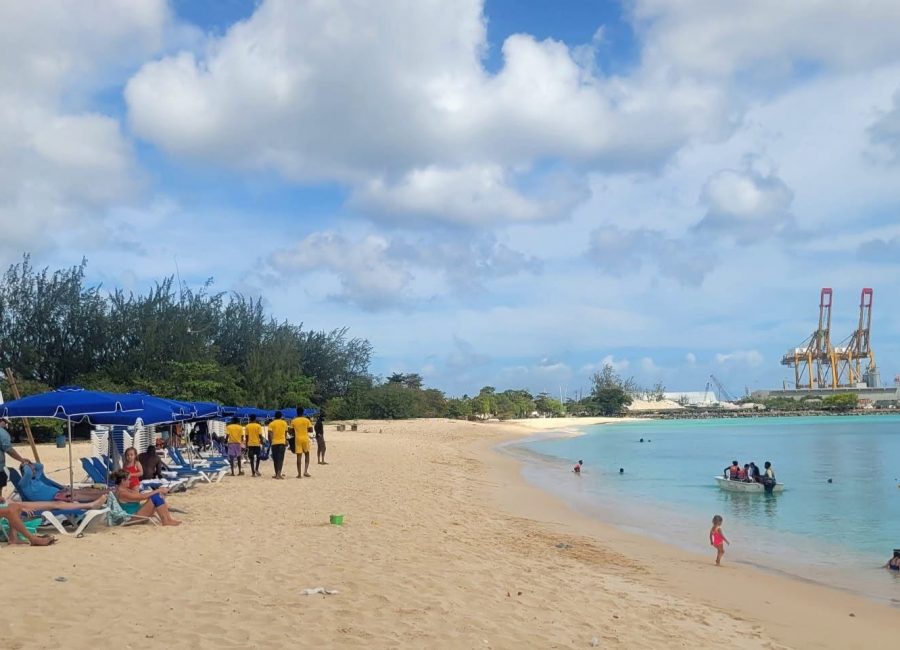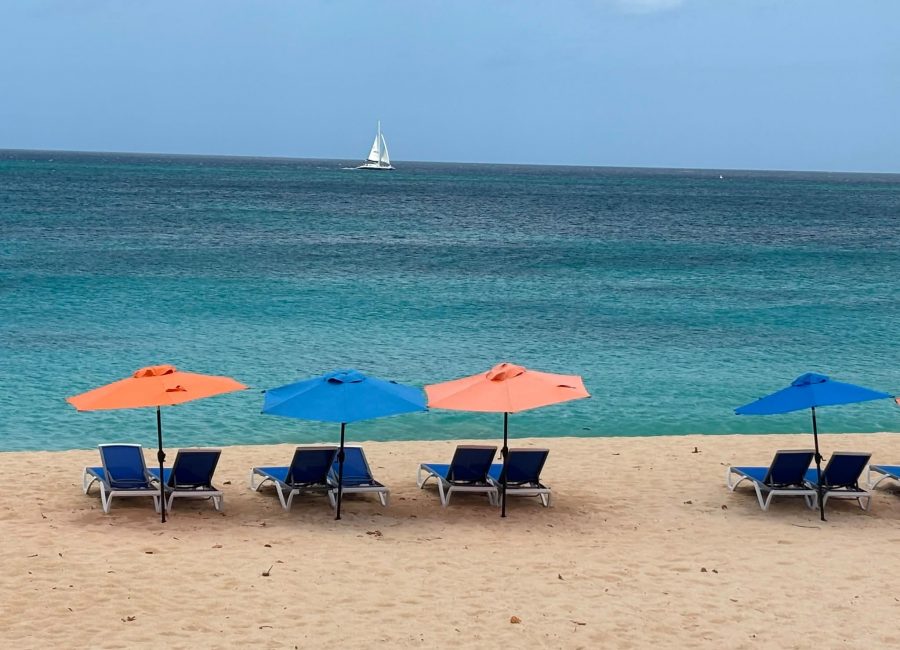
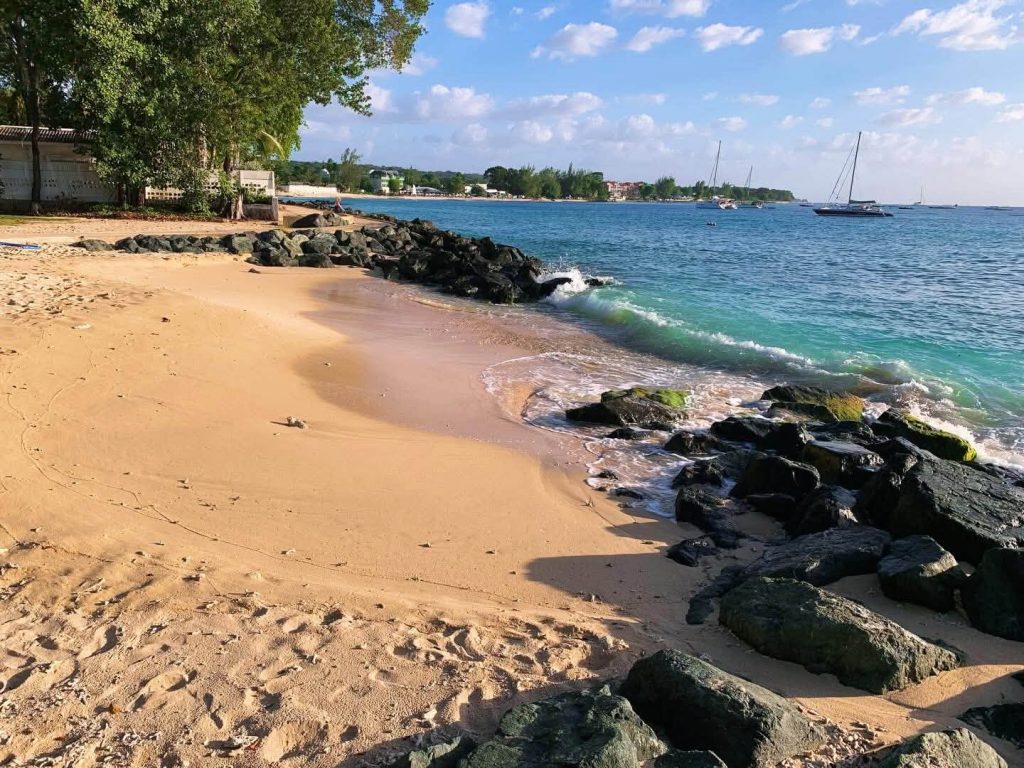
Folkestone Marine Park is one of the best places on Barbados’s west coast for a beach day with a purpose: a small public beach and shaded coastal park beside Holetown, with protected marine habitat, shore snorkelling, lifeguards, washrooms and changing facilities, picnic tables, a children’s play area, tennis and basketball courts, and easy public access. It is especially good for families and visitors who want to spend time in the water without giving up shade and practical facilities.
Folkestone is also different from an ordinary beach because it sits inside Barbados’s first legislated Marine Protected Area. The reserve was established in 1981 and extends for roughly 2.1 kilometres along the St James coast. That protected status matters: the reefs, fish, turtles and other marine life are not simply scenery for visitors—they are part of an ecosystem with rules designed to reduce damage and conflict between recreation, research and watersports.
Why choose Folkestone Marine Park?
There are prettier beaches, bigger beaches and more luxurious beaches in Barbados. Folkestone’s strength is that it combines several experiences in one compact place.
You can arrive in the morning, snorkel over near-shore reef, sit under mature trees, have a picnic, let children use the play area and walk the coastal boardwalk without needing to move the car every hour. Holetown is close enough for restaurants and shops, while the park itself feels greener and less dominated by hotels than much of the surrounding west coast.
The National Conservation Commission lists Folkestone Beach as a vehicular public beach access, which means designated vehicle access and parking are part of the public arrangement. The NCC also lists washrooms, changing facilities, a car park, lifeguard and ranger/warden services, a playground and sports courts at Folkestone.
What is the beach actually like?
The beach at Folkestone is relatively small compared with long stretches such as Brownes, Brandons or Paynes Bay. That can surprise visitors who have heard so much about the marine park and imagine a giant open beach. The attraction is the whole park rather than the amount of sand alone.
The shoreline includes sand, rock and shallow reef. Mature trees behind the beach create valuable natural shade, and picnic benches are spread through the park. A coastal boardwalk gives non-swimmers something to do while remaining close to the water.
The small beach can become busy, particularly on weekends, school holidays and mornings when conditions are good for snorkelling. Arriving earlier gives you more choice of shade and makes it easier to inspect the water before larger groups arrive.
Snorkelling at Folkestone Marine Park
Snorkelling is the clearest reason Folkestone stands out from most west-coast beaches. The protected recreational area includes accessible reef habitat close enough to shore for capable swimmers to explore, and official Barbados tourism information specifically promotes Folkestone for snorkelling in the calmer waters of the west coast.
Expect reef fish rather than a guaranteed checklist of large wildlife. Depending on visibility and conditions, snorkellers may see colourful reef fish, coral, sponges and other marine life. Green and hawksbill turtles use the wider reserve, but no responsible beach guide should promise that you will see one on a particular swim.
The reef itself creates both the attraction and the main caution. In places the coral and rock can be shallow. When swell pushes across the reef, a snorkeller can be moved towards hard coral faster than expected. Recent visitor reports continue to highlight this issue: Folkestone can be excellent on a calm day and uncomfortable when waves are running across the shallow reef.
A good Folkestone snorkelling day
- Clear water with modest surface movement
- An obvious, comfortable entry point
- No waves pushing swimmers across shallow coral
- You can see your return route before heading out
- The lifeguard area and any buoys are easy to identify
Leave the mask in the bag when
- Waves are breaking hard over the reef
- Visibility is poor
- You are unsure where the recreational zone ends
- You are not confident swimming away from the beach
- A lifeguard or ranger advises against entering
Never stand on coral to rest. Coral is a living structure and is easily damaged; it can also cut feet and legs. Float, swim or return to a sandy exit rather than putting your weight onto the reef.
For a broader look at where to snorkel around the island, see our Barbados snorkelling and turtles guide.
What about the Stavronikita shipwreck?
Folkestone is famous among divers because the Stavronikita, a 365-foot Greek freighter deliberately sunk in 1978, lies offshore within the wider marine park. It has developed into a major artificial reef and is one of Barbados’s best-known dive sites.
The important distinction is depth. Visit Barbados places the wreck at around 120 feet below the surface, with parts of the wreck considerably deeper. This is a scuba-diving attraction, not a casual snorkelling target from the beach.
If your goal is to dive the Stavronikita, use a qualified local dive operator and choose a dive appropriate to your certification and experience. Do not read “Folkestone has a shipwreck” and assume you can put on a mask, swim out from shore and safely explore it.
Swimming at Folkestone
Folkestone can also be pleasant for ordinary swimming, particularly on settled west-coast mornings, but we would still choose the exact water entry carefully. Reef and rock mean Folkestone is less of a “walk straight into endless sand” beach than Paynes Bay or the broad beaches around Carlisle Bay.
Visit Barbados promotes the protected snorkelling area in calm west-coast water, and the NCC provides lifeguard services. Those are positives, but daily sea conditions remain the deciding factor.
Families with young children may find the little sandy cove useful on a calm day, especially because shade, toilets and the play area are immediately behind them. If the shoreline is rocky or waves are uncomfortable, use the park for a picnic and play session and move to another beach for swimming.
For a conventional swimming-first beach nearby, consider Paynes Bay or one of the beaches around Holetown rather than forcing Folkestone to suit the day.
Is Folkestone good for families?
Yes—Folkestone is one of the better family day-out options on the west coast. The NCC lists a children’s playground, picnic tables, washrooms and changing facilities, tennis courts, basketball courts, lifeguards and ranger/warden services. Its play-park listings also specifically include both Folkestone Beach and Folkestone Park.
This is valuable because children do not have to spend the entire visit in the sea. A family can snorkel or swim while conditions are good, retreat into shade for lunch and use the playground when younger children have had enough of the beach.
The main family caution is the reef. Folkestone is not automatically the easiest toddler-paddling beach simply because the park is family friendly. Inspect the exact entry and keep young swimmers close.
Why families like Folkestone
- Natural shade behind the beach
- Picnic tables
- Playground
- Washrooms and changing facilities
- Lifeguard and ranger presence
- More to do than simply sit on the sand
Think twice when
- A child needs completely sandy shallows
- The reef is being washed by larger waves
- Your group needs a wide resort beach
- Snorkelling ability is very limited
- You are relying on the museum being open
Our best Barbados beaches for families guide compares Folkestone with other beaches where facilities, easy swimming and shade matter.
The marine reserve rules matter
Folkestone is protected for a reason. The National Conservation Commission says the reserve is divided into different zones so recreation, science and watersports can coexist without every activity happening on top of sensitive reef habitat.
The NCC’s rules include:
- Do not touch or remove coral, fish or other marine life.
- Do not fish or use spearguns, hooks, lines or traps inside the reserve.
- Do not disturb turtle nesting sites, eggs or turtles.
- Do not anchor on reef.
- Do not dump waste in the water.
- Motorised and sailing activity must stay within the appropriate watersports zones.
For visitors, the simplest rule is to leave the reef exactly as you found it. Photographs are souvenirs; coral, shells and marine animals are not.
Facilities at Folkestone Marine Park
The NCC currently lists a strong set of public facilities at Folkestone Park: a visitor centre, snorkel equipment rental shop, souvenir shop, picnic tables, children’s playground, tennis and basketball courts, washrooms, changing rooms, car parking, lifeguards and ranger/warden services.
Current visitor reports also describe food and drinks being available around the beach area at least at some times, as well as clean changing facilities and beach-chair options. Treat commercial services as variable rather than guaranteed.
Public facilities to expect
- Vehicular public beach access
- Parking
- Washrooms and changing facilities
- Picnic tables
- Children’s playground
- Tennis and basketball courts
- Lifeguard and ranger services
Still bring
- Drinking water
- Sun protection
- Your own snorkel equipment if fit is important
- A towel and dry clothes
- Cash plus a card
- Reef-safe behaviour rather than relying on staff to correct you
Is the Folkestone Marine Museum open?
Do not plan your visit around the museum without checking first. At the time of this update, the National Conservation Commission says the Marine Museum at the Folkestone Visitor Centre is currently closed for renovations.
Older guides and tourism pages still describe the museum, aquarium and visitor interpretation displays, which explains why you may see them included in itineraries. The beach, park and marine reserve remain the main reasons to visit, but the indoor museum should be treated as unavailable unless the NCC confirms it has reopened.
This is a good example of why current official information matters more than an old attraction listing. A closure does not make Folkestone a poor day out; it simply changes what you can reasonably expect to do once you arrive.
Parking and getting to Folkestone
Folkestone is immediately north of Holetown in St James, close to St James Parish Church. The NCC lists Folkestone Beach as a vehicular beach access, meaning public vehicle access includes parking provision.
Drivers should arrive earlier when possible because a popular park with a relatively compact beach can fill quickly. Never block entrances, gates or access needed by staff and emergency vehicles.
Public transport along the west-coast Highway 1 corridor is frequent by Barbados standards, and Holetown is a major reference point for buses and route taxis. Ask for Folkestone or St James Parish Church and confirm the closest safe stop rather than relying solely on an old route number.
Visitors staying in Holetown can often reach Folkestone on foot, depending on their exact accommodation. The coastline and surrounding roads make it easy to combine the marine park with lunch or shopping in Holetown.
Folkestone compared with nearby west-coast beaches
| Beach | Best for | Character | Choose it when… |
|---|---|---|---|
| Folkestone Marine Park | SnorkellingFamiliesShade | Small beach inside a protected marine reserve with park facilities and reef. | Marine life, shade and a multi-activity family day matter more than beach size. |
| Paynes Bay | SwimmingClassic west coast | Broad resort-backed beach with a more conventional sand-and-sea experience. | You want easier sandy swimming and a larger beach rather than a marine park. |
| Batts Rock | ShadePicnicsQuiet | Tree-backed public beach and park closer to Bridgetown. | You want shade and a low-key beach day but snorkelling is secondary. |
| Carlisle Bay | Wreck tripsTurtlesCruise day | Large bay near Bridgetown with multiple shipwrecks and organised snorkelling. | You want wreck snorkelling and easy cruise-port access more than a small protected reef park. |
| Mullins Beach | Beach dayFood nearby | Popular west-coast beach farther north with a more social visitor atmosphere. | You want a classic beach day rather than a conservation-focused park. |
Folkestone or Carlisle Bay for snorkelling?
Both are strong choices, but they offer different experiences.
Choose Folkestone when you want shore snorkelling around protected shallow reef, a shaded park and an easy family day close to Holetown.
Choose Carlisle Bay when shipwrecks and turtles are the main objective and you are happy to use an organised boat or snorkelling operator.
Folkestone feels more like exploring a marine reserve. Carlisle Bay feels more like combining a major beach with an organised marine excursion. Neither needs to replace the other.
Accessibility at Folkestone
Folkestone is one of the Barbados sites receiving attention as part of broader work to improve public beach accessibility. The park’s land-based facilities, parking and shaded recreation space already make it more manageable than many beaches reached through narrow paths or steep terrain.
Beach accessibility is more complicated than park accessibility, however. Sand, reef, changing water levels and the exact route into the sea can still create barriers. A visitor who needs step-free access or mobility support should confirm the current condition of the beach access before travelling rather than relying solely on a general “accessible beach” label.
See our accessible beach planning guide for the questions to ask before choosing a Barbados beach.
Best time to visit Folkestone
Early morning is our preferred time. It gives you the best chance of easier parking, first choice of shade and enough time to judge the reef before more swimmers arrive. Morning light can also make it easier to see what is happening beneath the surface.
West-coast water is often calmer than the Atlantic side of Barbados, but local swell can still reach Folkestone. A calm morning at your hotel a few miles away does not guarantee the reef will be equally calm. Look at the actual sea.
Weekends and public holidays can be much busier because Folkestone is a genuine community recreation area, not simply a visitor attraction. For a quieter experience, favour a weekday morning.
A good Folkestone half-day
- Arrive early. Park, walk the shoreline and look at the reef before deciding whether to snorkel.
- Snorkel while conditions suit. Use the recreational area and keep clear of shallow coral.
- Take a shaded break. Use the picnic area rather than spending several continuous hours in the sun.
- Let children use the park. The playground and courts make Folkestone more than a swim-and-leave beach.
- Walk towards Holetown afterwards. Add lunch, St James Parish Church or a short west-coast walk rather than moving to another distant attraction.
What to take to Folkestone
- Mask and snorkel. Bring your own if a comfortable fit matters.
- Drinking water. Do not depend on a concession being open.
- High-factor sunscreen, hat and cover-up. Shade helps but does not remove UV exposure.
- A towel and dry clothes. Changing facilities are useful, but still pack for a full beach day.
- Simple footwear. Reef and rock make barefoot wandering less comfortable in some areas.
- A picnic or snacks. The shaded tables are one of the park’s strengths.
Our Barbados beach packing checklist covers snorkelling days, families and beaches with different facility levels.
Folkestone Marine Park FAQs
Is Folkestone Marine Park good for snorkelling?
Yes. Folkestone is one of the strongest shore-snorkelling options on Barbados’s west coast because the protected recreational area includes accessible reef and marine life. Conditions still matter, particularly when waves are washing across shallow coral.
Can beginners snorkel at Folkestone?
Confident beginners can enjoy Folkestone on a calm day, particularly with a buddy and flotation support where appropriate. The shallow reef and possibility of swell mean complete non-swimmers should not treat it as a risk-free first snorkel.
Can you snorkel to the Stavronikita wreck?
No. The Stavronikita is a deep scuba-diving site, with the wreck lying around 120 feet below the surface. Shore snorkellers should focus on the much shallower reef areas closer to Folkestone Beach.
Is Folkestone good for children?
Yes. The park has a playground, picnic areas, washrooms, changing facilities, sports courts, shade and lifeguard services. The water entry includes reef and rock, so parents still need to assess swimming conditions carefully.
Does Folkestone Marine Park have toilets and changing rooms?
Yes. The National Conservation Commission lists washroom and changing facilities at Folkestone Park, along with parking and other public amenities.
Are there lifeguards at Folkestone?
The NCC lists lifeguard services at Folkestone Park and Marine Reserve. Coverage and hours can change, so look for the active station and current guidance when you arrive.
Is the Folkestone Marine Museum open?
At the time of this update, the National Conservation Commission says the Marine Museum at the Folkestone Visitor Centre is closed for renovations. Check the NCC before travelling if the museum is an important part of your visit.
Is there parking at Folkestone?
Yes. The NCC lists Folkestone Beach as a vehicular public beach access and includes car parking among the park facilities.
Do you have to pay to use Folkestone Beach?
The beach and public park are public. Optional services such as equipment rental, food or other commercial activities may cost extra. Indoor visitor attractions can have separate arrangements when operating.
Can you see turtles at Folkestone?
Green and hawksbill turtles use the wider Folkestone Marine Reserve, but sightings are never guaranteed. Do not chase, touch or feed turtles if you encounter them.
Is Folkestone near Holetown?
Yes. Folkestone is immediately north of Holetown in St James, close to St James Parish Church, making it easy to combine the park with restaurants, shops and other Holetown stops.
How we checked this Folkestone guide
We compared current National Conservation Commission information with current Barbados tourism guidance and recent visitor reports. The NCC confirms Folkestone Beach as a vehicular public beach access and lists washrooms, changing facilities, parking, picnic tables, playground, sports courts, lifeguards and ranger/warden services. It also confirms that the reserve was established in 1981 and remains Barbados’s only legislated Marine Protected Area.
The NCC currently states that the Marine Museum at the Folkestone Visitor Centre is closed for renovations. We therefore do not include the museum as a guaranteed part of a visit. Official tourism information confirms Folkestone’s shore snorkelling and identifies the much deeper Stavronikita as a scuba-diving site rather than a casual snorkelling destination.
At a glance
Practical beach details
The west-coast setting is usually more sheltered, while reef, visibility and current still vary.
The marine-park setting is associated with public visitor facilities; opening, rental and staffing arrangements should be checked when travelling.
Road access close to Holetown with a defined park area and shoreline access.
Buses along Highway 1 and taxis from Holetown or other west-coast accommodation are practical.
Holetown, St James Parish Church, Heron Bay and west-coast restaurants.
Find it on the island
Where is Folkestone Marine Park and Beach?
See where this beach sits on Barbados, then open turn-by-turn directions when you are ready to travel.
Sea conditions outrank every website
Conditions can change quickly. Follow flags and lifeguards where present, ask reputable local operators and do not enter water that is beyond your experience.